Sustainability at Arbetsförmedlingen
As one of Sweden’s largest government agencies, we have a major responsibility to promote sustainable development. Sustainability is part of our internal work, in our activities with jobseekers and employers, and in procurement.
Social, environmental and economic sustainability
We have made a decision to be a sustainable government agency and to methodically work with sustainability throughout the organisation. Everything we do has to be in a responsible way and take the following three dimensions into account:
- social sustainability
- economic sustainability
- environmental sustainability.
We have a sustainability policy that applies to the entire government agency and are developing digital tools to visualise our sustainability work and report on its progress.
Arbetsförmedlingen contributes to sustainable and inclusive social development through our assignment. This involves striving to enable as many people as possible to support themselves and participate in society, as well as providing skills to trade and industry, which is undergoing transformation because of digitalisation, globalisation and climate change. In order for social development to be sustainable and inclusive, we must offer equal and equitable services.
Arbetsförmedlingen contributes to sustainability in four areas. The four areas of sustainability are:
- equal and equitable access to work and education
- good governance and social responsibility
- green transition and protection of the Earth's resources
- well-being of people and citizens.
The four sustainability areas are linked to social, economic and environmental sustainability and the 2030 Agenda for sustainable global development.
Arbetsförmedlingen's sustainability policy (in Swedish) pdf, 151 kB.
The 2030 Agenda
As a government agency we have committed to contribute to Sweden’s implementation of the UN Sustainable Development Goals in the 2030 Agenda. We cooperate with other Swedish government agencies in order to make sustainability part of our core activities in the best way possible.
The agenda is an action plan with goals for transitioning to a sustainable society for people, the planet and prosperity. The plan is permeated by a rights perspective that safeguards the political and civil rights of all individuals, as well as their economic, social and cultural rights. The agenda expresses complex global challenges that need to be addressed jointly through ambitious multilateral solutions.
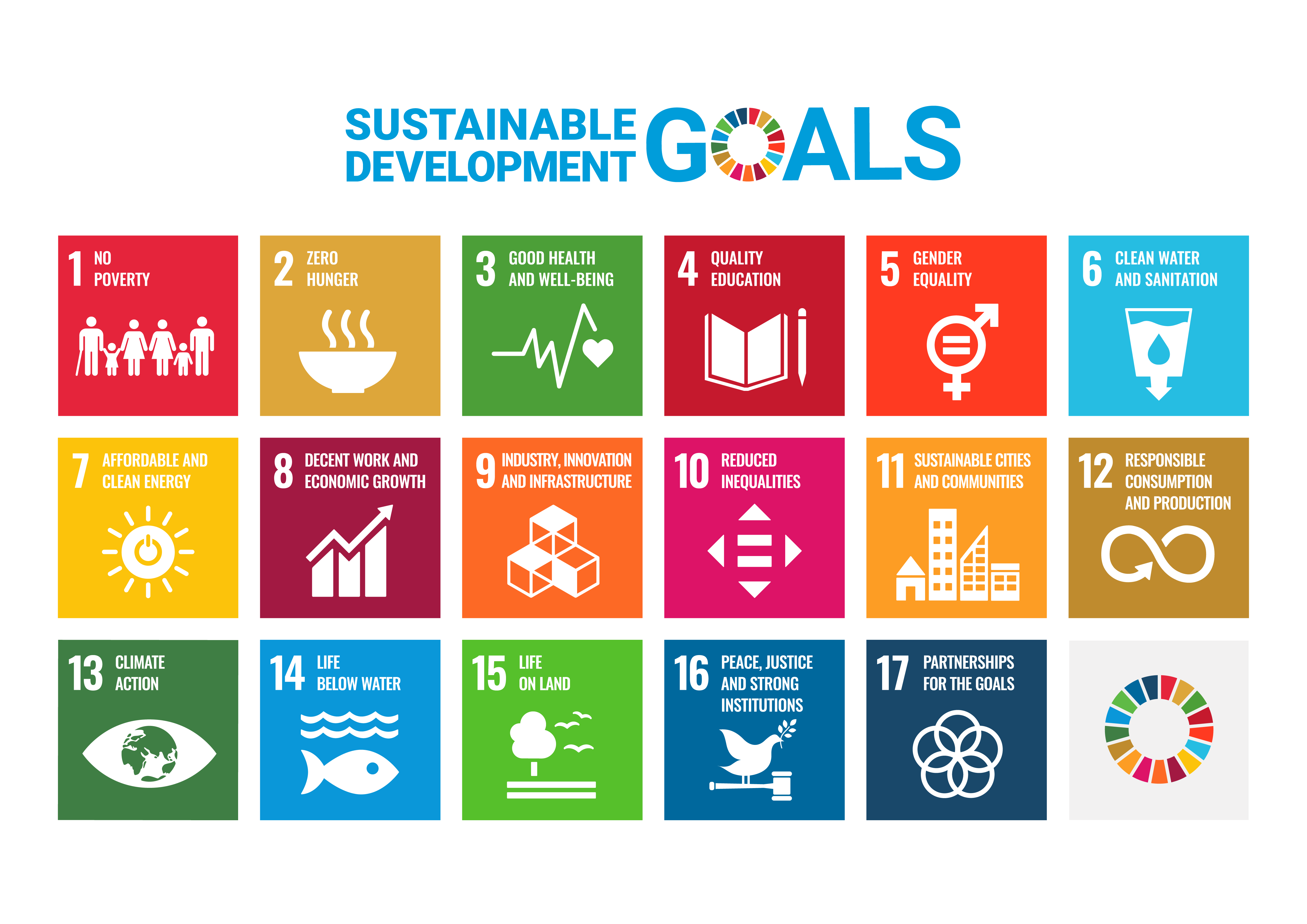
Government agencies cooperating for sustainability
DG Forum (director-general forum) is a platform for cooperation between government agencies on the implementation of the UN Sustainable Development Goals in the 2030 Agenda.
About DG Forum on Folkhälsomyndighetens website
Environment and climate
Arbetsförmedlingen works with environmental management. This allows us to reduce the environmental impact of our activities in a systematic way during planning, implementation and follow-up. Environmental management is to be integrated throughout the organisation and is to contribute to the national environmental goals and the Sustainable Development Goals.
Our environmental management reports can be found on Governance and results
International development cooperation
Work and employment are effective methods of combatting poverty, and public employment services plays a key role in developing the function of the labour market. Our international development cooperation contributes to the implementation of the 2030 Agenda and the EU’s and Sweden’s external assistance policy in our partner countries.
Definition of sustainable development
The established definition of sustainable development is “development that meets the needs of the present without compromising the ability of future generations to meet their own needs”.
(Brundtland report, UN 1987)